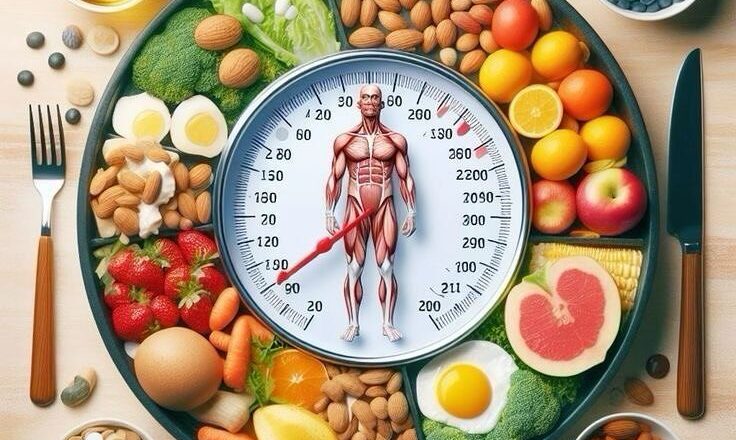
Eating isn’t just about satisfying hunger—it’s about fueling your body with the right nutrients to thrive. In today’s fast-paced world, many people focus solely on cutting calories or skipping meals to lose weight. However, a truly healthy approach to dieting centers on nutrition, not just numbers on a scale.
A smart nutrition plan prioritizes whole foods rich in vitamins, minerals, fiber, and healthy fats. Think colorful fruits and vegetables, lean proteins like fish and legumes, whole grains, and healthy oils like olive or avocado oil. These foods don’t just keep you full—they support energy levels, brain function, immune health, and long-term wellness.
One common mistake is replacing meals with processed “diet” products that are low in calories but also low in essential nutrients. Over time, this can lead to fatigue, mood swings, and even nutrient deficiencies. Instead, aim for balance: include protein, complex carbs, and healthy fats in every meal to stabilize blood sugar and maintain steady energy throughout the day.
Hydration also plays a key role. Sometimes thirst is mistaken for hunger, so drinking enough water can help manage appetite naturally. Pair that with mindful eating—slowing down, savoring your food, and listening to your body’s signals—and you’ll find it easier to avoid overeating.
If you’re looking for practical, nutrient-packed meal inspiration that fits real-life routines, check out this helpful collection of ideas at https://bsbowl.com/food-drink/. Whether you’re planning breakfast, lunch, or a wholesome snack, smart choices start with understanding what your body truly needs.
Remember: a healthy diet isn’t about restriction—it’s about nourishment. When you feed your body well, you don’t just look better—you feel better, think clearer, and live more fully. Start today by choosing foods that do more than fill your stomach; choose foods that fuel your future.